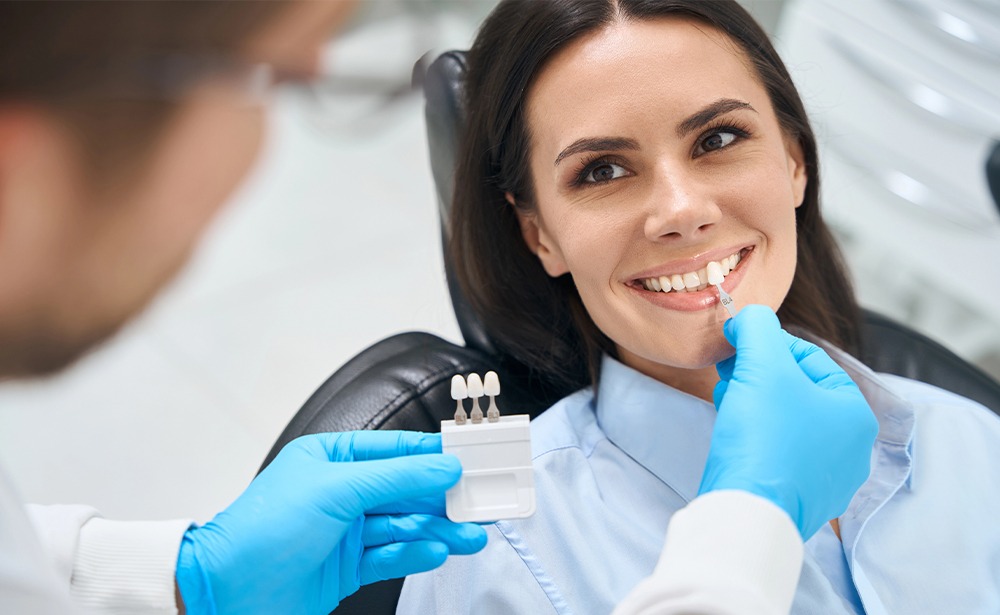
A bright and healthy-looking smile is one of the most important elements of an attractive appearance for many people. Over time, factors such as coffee, tea, smoking, aging, and certain dietary habits can cause discoloration of the teeth. As a result, teeth whitening treatments have become one of the most popular cosmetic dentistry procedures in recent years.
However, one common question remains in the minds of many patients considering this treatment: Does teeth whitening damage tooth enamel?
The answer depends on how the procedure is performed and which whitening methods are used. When properly planned and carried out under professional supervision, teeth whitening can help achieve a brighter smile without harming the enamel.
What Is Teeth Whitening?
Teeth whitening is a cosmetic dental procedure designed to reduce discoloration and staining on the surface or within the structure of the teeth.
Over time, factors such as food and beverage consumption, smoking, certain medications, and natural aging can lead to tooth discoloration. Teeth whitening treatments help minimize these stains and restore a lighter, brighter tooth shade.
Today, professional in-office whitening procedures and dentist-supervised at-home whitening systems are among the most commonly preferred whitening methods.
What Is Tooth Enamel?
Before discussing teeth whitening, it is important to understand what tooth enamel is.
Tooth enamel is the hard outer layer that covers and protects the surface of the teeth. Although it is one of the strongest tissues in the human body, it can become worn or damaged over time.
Its primary function is to protect teeth from heat, cold, pressure, and acidic substances. This is why many people are concerned about whether whitening procedures can negatively affect enamel.
Does Teeth Whitening Damage Tooth Enamel?
Professional teeth whitening treatments are designed to brighten tooth color safely, not to damage tooth enamel.
The whitening agents used during treatment target the compounds responsible for staining and discoloration. Rather than wearing away the tooth structure, the goal is to break down stain molecules and improve the appearance of the teeth.
For this reason, professionally planned whitening treatments performed according to recommended protocols do not cause permanent damage to tooth enamel.
However, unsupervised applications, misuse of whitening products, or exceeding recommended treatment durations may lead to unwanted side effects. Therefore, teeth whitening should always be planned following an evaluation by a dental professional.
Is Tooth Sensitivity After Whitening Normal?
Some individuals may experience temporary tooth sensitivity after a whitening procedure.
Short-term sensitivity to hot and cold foods or beverages is relatively common and usually subsides within a few days without causing any long-term issues.
Experiencing sensitivity does not necessarily mean that the enamel has been damaged. Since every person's dental structure is different, reactions to whitening treatments may vary from one individual to another.
For this reason, any existing sensitivity concerns should be evaluated before treatment begins.
Are At-Home Whitening Methods Safe?
Many whitening methods can be found online, including the use of baking soda, lemon juice, vinegar, and various abrasive substances.
However, these methods are not always safe.
Improper use of abrasive products may negatively affect the tooth surface. While such methods may appear to provide short-term whitening results, they can increase the risk of long-term damage to the teeth.
Therefore, any at-home whitening approach should ideally be used under the guidance of a dental professional.
Why Is Professional Teeth Whitening Preferred?
Before a professional whitening procedure, a comprehensive dental examination is performed.
If issues such as tooth decay, plaque buildup, or gum disease are present, they are typically addressed before whitening begins. The most suitable whitening method is then selected based on the individual's dental condition and goals.
This approach allows for a more controlled procedure while helping reduce the likelihood of unwanted sensitivity.
The fact that professional whitening systems are administered under the supervision of a dentist is also a significant advantage in terms of safety and effectiveness.
Can Every Type of Tooth Discoloration Be Treated with Whitening?
Tooth discoloration can occur for a variety of reasons.
Some stains are located on the surface of the teeth, while others originate from deeper within the tooth structure. As a result, not all cases can be treated using the same whitening approach.
Although teeth whitening can be highly effective in many situations, some types of discoloration may require alternative cosmetic dental treatments.
For this reason, a thorough examination is necessary to determine the cause of discoloration before beginning treatment.
Is Teeth Whitening Permanent?
The results of teeth whitening can last for an extended period, but longevity varies depending on individual habits.
Frequent consumption of coffee, tea, red wine, or tobacco products may cause stains to reappear more quickly. Maintaining good oral hygiene and attending regular dental check-ups can help preserve whitening results for longer.
Teeth whitening is intended to improve tooth color rather than provide a permanent solution against future staining.
Who Is a Good Candidate for Teeth Whitening?
Teeth whitening may be suitable for many individuals, but each case should be evaluated individually.
People with untreated cavities, advanced gum disease, or certain oral health conditions may need to complete other dental treatments before whitening can be considered.
For this reason, a comprehensive dental examination is essential before proceeding with any whitening procedure.
The most appropriate treatment plan is determined by evaluating the patient's expectations, dental condition, and overall oral health.
What Should Be Considered After Teeth Whitening?
To maintain whitening results for as long as possible, certain habits should be followed after treatment.
In particular, limiting the consumption of foods and beverages known to cause staining during the first few days may be recommended. Continuing a consistent oral hygiene routine and taking good care of the teeth can also help preserve a brighter smile.
Following your dentist’s recommendations is important for both a comfortable recovery period and long-lasting results.
“Does teeth whitening damage tooth enamel?” is one of the most frequently asked questions in cosmetic dentistry. When performed by a dental professional using appropriate techniques, teeth whitening can help patients achieve a brighter and more attractive smile without harming the enamel.
Since every individual has a unique dental structure, a thorough evaluation before treatment is essential. Identifying the cause of tooth discoloration and selecting the most suitable whitening method are key factors in achieving successful results. For a brighter and healthier-looking smile, the best first step is a professional dental consultation.

Kırmızı Toprak Mah. Vali Ali Fuat Güven Cad. No:26 Odunpazarı/Eskişehir
Haritada GösterWeekdays 09.00-20.00
Saturday 09.00-18.30
Sunday Kapalı