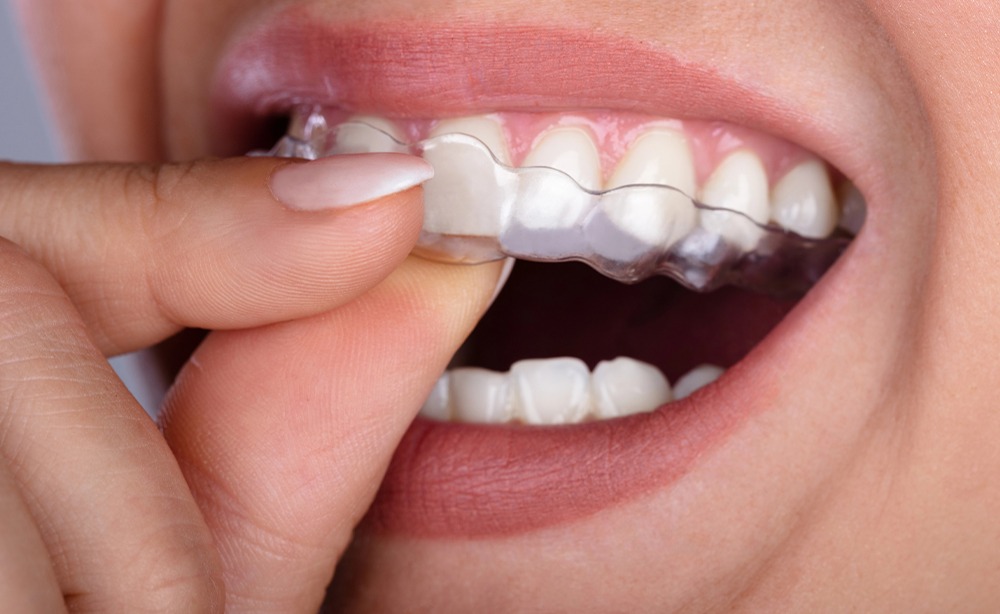
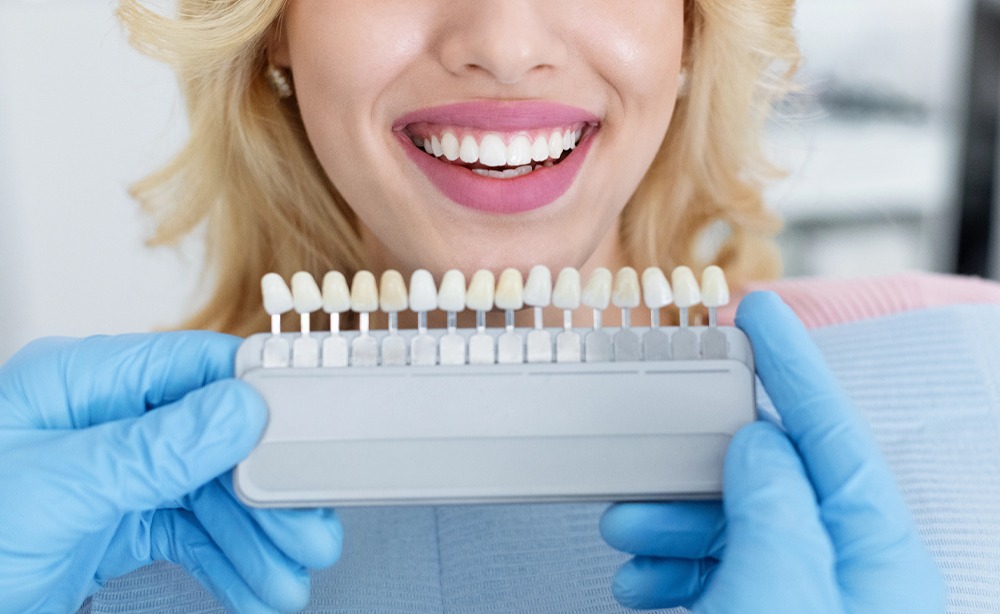
In Eskişehir, tooth extraction is the process of removing teeth from their sockets in the bone when they cannot be saved through fillings, root canal treatment, or crown applications. Tooth extraction can be necessary for many reasons, with trauma or tooth decay being the most common. Dentists generally consider tooth extraction a last resort. However, in some cases, tooth extraction is unavoidable to protect oral and dental health.
In what situations is tooth extraction performed?
Although tooth extraction is the last resort for doctors, it may be necessary in some cases. Extraction is a good option when a tooth is causing serious health problems. Situations requiring tooth extraction can be listed as follows:
Teeth that cannot be treated with methods such as fillings, root canal treatment, or crowns.
In cases where tooth decay reaches the root of the tooth
Broken teeth due to various reasons.
Baby teeth that are loose but don't fall out on time
Loose teeth due to weak gum and bone structure.
A wisdom tooth that didn't erupt as it should.
Teeth that cause orthodontic problems that deform the jaw structure
Teeth that cause cyst or tumor formation in the mouth
How is a tooth extraction performed?
Tooth extraction is performed by specially trained dentists under local or general anesthesia. Bleeding during tooth extraction is normal and necessary. A blood clot forms in the area left behind by the extracted tooth. Gauze is placed on the extraction site to stop the bleeding. The formation of a blood clot is necessary for the healing process to begin. Taking the pain relievers prescribed by your doctor after the tooth extraction will speed up your recovery.
Wisdom Tooth Extraction in Eskişehir
Wisdom teeth, commonly known as 20-year molars, are the last teeth to erupt. They are molars that appear at the very back of the jaw and usually need to be extracted because they often fail to fit properly into the jaw structure. Wisdom teeth, which manifest themselves with pain, often don't find enough space in the jaw during eruption. This negatively affects the health of neighboring teeth. Some wisdom teeth erupt impacted, requiring surgical removal. Regular dental checkups allow for monitoring the development of wisdom teeth and early intervention.
What are the symptoms of wisdom teeth?
Wisdom teeth erupt normally when they find enough space in the gums and develop healthily without damaging other teeth. In such cases, there is no need for extraction. However, wisdom teeth need to be extracted if they cannot fit into the jaw structure, do not find enough space, or remain impacted. Situations indicating problematic eruption or impacted wisdom teeth include:
Pain sensation in teeth and gums,
Pain radiating to the jaw and ear,
Swollen lymph nodes,
Pain sensation during chewing,
Gum sensitivity,
Headache,
bad breath
How is a wisdom tooth extracted?
The method of wisdom tooth extraction is determined by examining X-ray images. Wisdom teeth that erupt without problems are extracted in the same way as regular teeth if they need to be removed due to decay. However, wisdom teeth that erupt problematically must be removed surgically.
Before Having a Tooth Extraction
Even if your doctor doesn't ask, be sure to mention any chronic conditions you have, such as heart disease, diabetes, or high blood pressure, before having a tooth extracted. Also, inform your doctor about any medications you are currently taking. Furthermore, if you are planning to become pregnant, inform your doctor of this as well.
Brush your teeth and rinse your mouth with an antiseptic mouthwash before having a tooth extracted. This will help prevent infections that may occur after the extraction.
What precautions should you take after a tooth extraction?
Do not rinse your mouth for at least half an hour. This is because rinsing prevents the formation of a blood clot, which is essential for healing after a tooth extraction.
After the tooth extraction, continue to bite down firmly on the gauze pad placed by your dentist for 15-20 minutes.
Bleeding for 6-24 hours is normal. Don't panic.
When you have pain, you can use a pain reliever other than aspirin after consulting your doctor.
Since there will be bone in the extraction area, you might think a piece of your tooth remains. Do not touch this area with your tongue or any other object after the tooth extraction. The exposed bone will be covered by your gums within a few days.
Avoid hot or spicy foods and drinks that may cause irritation after tooth extraction.
Do not smoke or drink alcohol for 24 hours after tooth extraction.
On the first day after tooth extraction, if possible, rest with a high pillow under your head. Avoid taking hot showers.
Do not eat or drink anything until the numbness in your mouth subsides.
You can resume your routine oral and dental care 24 hours after tooth extraction.
Tooth Extraction Prices in Eskişehir
Tooth extraction becomes necessary when a tooth can no longer be saved through treatment methods such as fillings, root canals, or crowns. Tooth extraction prices in Eskişehir vary from person to person. The cost depends on factors such as the number of teeth to be extracted, post-extraction treatment, whether surgery is required, whether extractions are necessary due to other treatments or decay, the clinic performing the extraction, and the expertise of the dentist.

Kırmızı Toprak Mah. Vali Ali Fuat Güven Cad. No:26 Odunpazarı/Eskişehir
Haritada GösterWeekdays 09.00-20.00
Saturday 09.00-18.30
Sunday Kapalı